

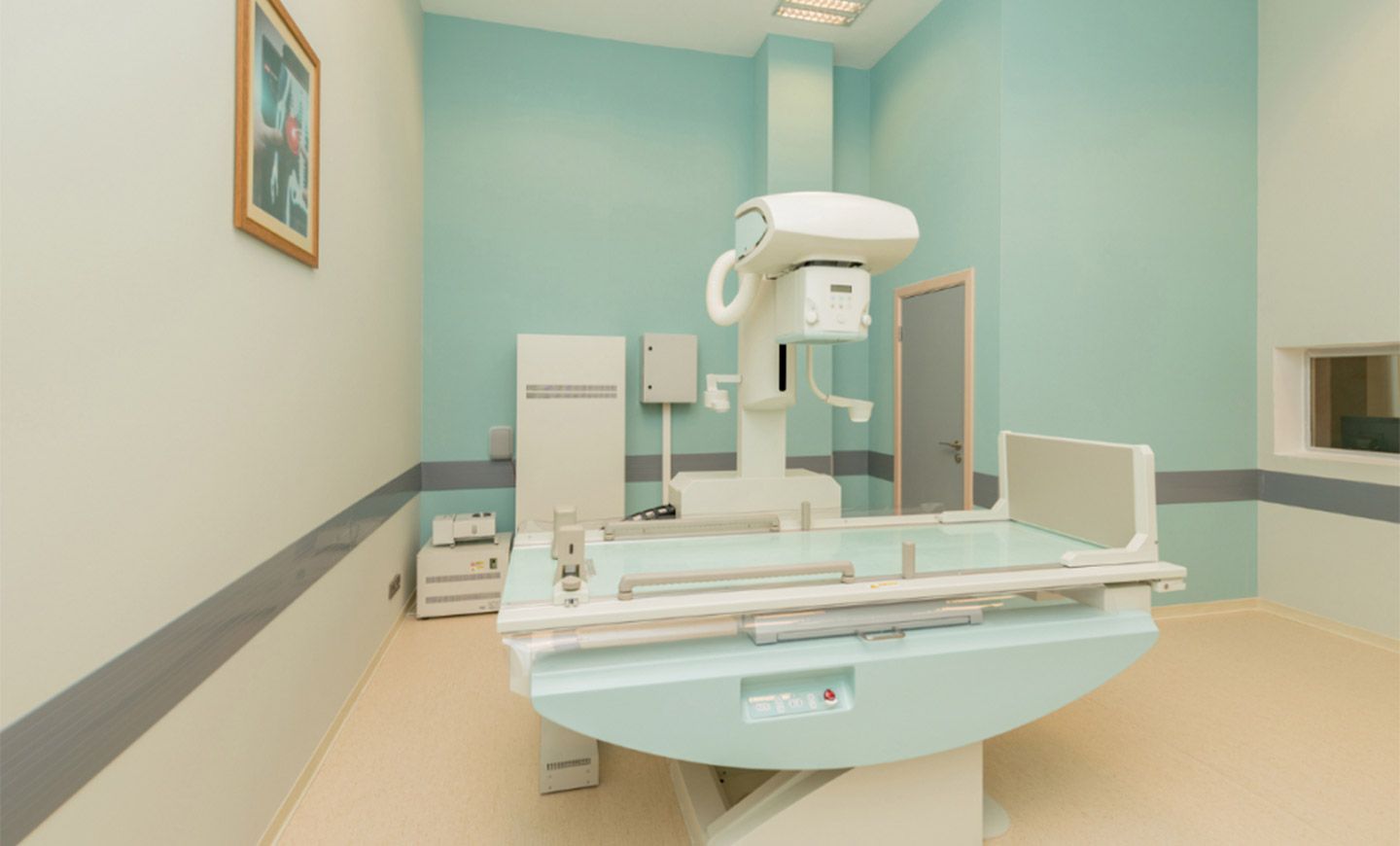
Car accidents can happen when you least expect them, and in the chaotic aftermath, it’s easy to overlook your own well-being. Sometimes, many car accident injuries are not immediately evident. Such injuries might not be discovered without being evaluated by a medical professional with access to advanced diagnostic techniques. As a result, seeking immediate medical attention after a Phoenix car accident is crucial, even if you feel fine.
Emergency Room vs. Urgent Care: Where Do Medical Tests Start?
The first step after a car accident, especially if it was a severe collision, is to visit the emergency room. Even seemingly minor accidents can result in internal injuries or delayed symptoms, so it’s essential to get checked by a medical professional.
In the ER, medical experts will assess you for critical injuries that require immediate attention. This can include severe bleeding, broken bones, or head injuries. Rapid intervention can make a significant difference in your recovery.
5 Common Diagnostic Tests Ordered After a Car Collision
After a car accident, medical professionals employ a range of diagnostic tools to ensure your well-being, even if you initially feel okay. These tests are vital because some injuries may not immediately reveal themselves, and early detection is key to a swift and comprehensive recovery. Some of the common medical tests you might undergo after a car accident include:
X-Rays (Skeletal Integrity & Bone Fractures)
X-rays are commonly used to check for broken bones, fractures, and dislocations. They provide a quick and non-invasive way to evaluate your skeletal structure.
CT Scans (Internal Bleeding & Organ Damage)
Computed Tomography (CT) scans are more detailed than X-rays and are often used to assess internal injuries, particularly in the chest, abdomen, and head.
MRI Scans (Soft Tissue, Whiplash & Ligament Damage)
Magnetic Resonance Imaging (MRI) scans are useful for detecting soft tissue injuries, such as torn ligaments or muscle damage.
Neurological Assessments (Concussions & Traumatic Brain Injury)
Through cognitive, reflex, and coordination tests, doctors evaluate potential traumatic brain injuries (TBIs) or concussions that might not show up on basic imaging.
Diagnostic Blood Panels (Internal Trauma & Infection)
Blood tests can reveal underlying issues like internal bleeding or changes in blood chemistry due to trauma.
Why Immediate Medical Testing Is Critical for Your Injury Claim
Beyond protecting your physical health, immediate medical testing establishes the official evidentiary foundation for your personal injury claim. Insurance adjusters closely examine the timing of your medical evaluation. A thorough exam creates an official record that directly links your specific injuries to the accident, preventing insurers from claiming your condition was pre-existing or unrelated.
Establishing the "Gap in Treatment" Defense
If you delay seeking medical testing after a crash, insurance companies will often exploit a legal defense known as a "gap in treatment." Adjusters argue that if you were truly injured, you would have sought immediate care. They may claim that any injuries diagnosed weeks later were caused by an intervening event rather than the collision. Prompt diagnostic testing eliminates this defense by creating a continuous, unbroken chain of medical documentation starting right at the time of the accident.
Have You Been Injured in a Car Accident?
Both Arizona and New Mexico operate under comparative fault principles (Arizona follows pure comparative negligence, while New Mexico follows pure comparative fault). Under these rules, your financial recovery can be reduced if you are found partially at fault for the severity of your losses.
If you’ve been injured in a car accident, it’s crucial to seek the legal counsel of a knowledgeable car accident lawyer. The Husband & Wife Law Team has been serving the people since 1996 and specializes in injury and wrongful death law. Let our attorneys prescribe an effective legal strategy to recover maximum compensation for your injuries.
If you’ve been in a car accident and need legal assistance, don’t delay – a free consultation is a call away. Contact us today to discuss your legal options in both Arizona and New Mexico.
Frequently Asked Questions About Car Accidents
Who pays for medical tests after a car accident in AZ or NM?
Answer: Initially, your health insurance, MedPay coverage, or Personal Injury Protection (PIP) pays for diagnostic testing. Ultimately, the at-fault driver's liability insurance is responsible for reimbursing these costs through a settlement or verdict.
What if my X-rays come back normal, but I'm still in pain?
Answer: X-rays only show bones and hard structures. Persistent pain often stems from soft tissue tears, nerve impingement, or herniated discs, which require an MRI or CT scan to diagnose accurately.
Can I refuse medical tests at the ER after a car crash?
Answer: While you have the legal right to decline tests, refusing recommended imaging gives insurance adjusters grounds to argue that your injuries were not serious or were caused by something else later.
How long after a crash can a doctor order an MRI?
Answer: Doctors often start with conservative treatment (like physical therapy) before ordering an MRI if symptoms persist past 2–4 weeks. However, immediate MRIs are ordered if severe neurological symptoms like numbness or tingling occur.